By Cosmetic Peat Editorial Team Updated June 2026
Peat Serum / Tonic
Therapies
Also known as: peat serum, fulvic acid serum, peat tonic
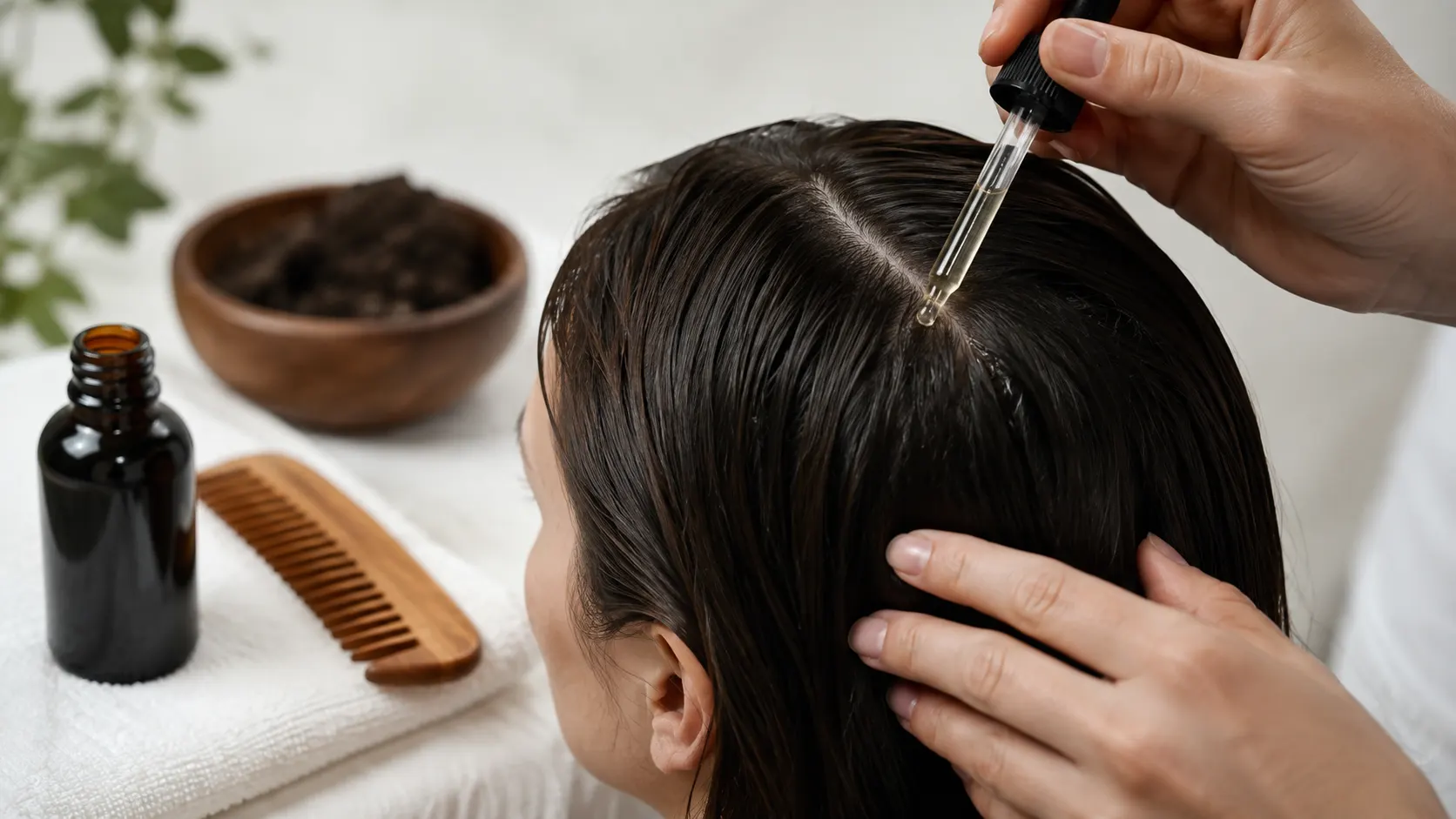
Method: topical
Duration: Leave-on (continuous contact)
Frequency: 1–2 times daily
Temperature: Room temperature
Preparation: Concentrated aqueous peat extract or fulvic acid solution, typically 1–5% active concentration
Peat serum or tonic is the most concentrated topical peat product. Aqueous-based (no heavy emulsion), it delivers the highest concentration of bioactives directly to skin or scalp. Used as a face serum, spot treatment, or scalp tonic applied with dropper or spray.
Formulation Considerations
Serums are typically water-based with minimal additional ingredients, making them the “purest” peat product format. Fulvic acid is ideal for serums — water-soluble, low molecular weight, good skin penetration. Color ranges from golden (dilute FA) to dark brown (concentrated or HA-containing).
Claims
References
tarnawski-2006 — Peat extract phenolic acids with measured antioxidant activity (ABTS assay)
winkler-2018 — Fulvic acid antioxidant capacity from peat extracts
bovcon-2012 — Daily peat extract application to scalp improved moisture and microcirculation over 12 weeks
van-rensburg-2000 — Oxifulvic acid antimicrobial activity against S. aureus — relevant to acne-associated bacteria