A History of Peat in Medicine and Cosmetics
Ancient and Classical Era
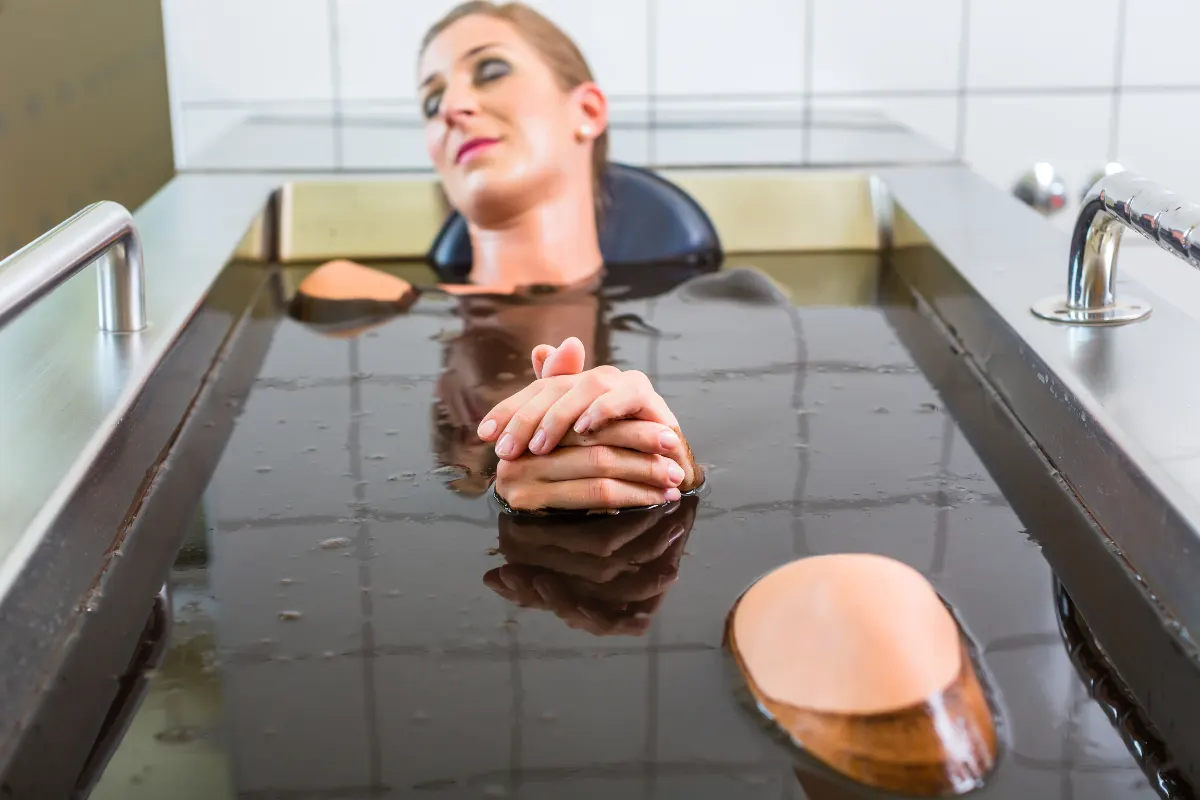
Peat and mud therapies are among the oldest healing practices. The use of natural muds and organic sediments for wound treatment and pain relief predates written records. Ancient Egyptian, Greek, and Roman civilizations documented the use of peloids (therapeutic muds) for skin conditions and musculoskeletal ailments. Pliny the Elder (23–79 AD) referenced the therapeutic properties of organic muds.
Medieval Europe (500–1500)
Peat bogs held a complex place in medieval European culture — feared as dangerous wastelands but also recognized as sources of healing material. Folk medicine traditions in Germanic, Celtic, and Slavic cultures used peat poultices for joint pain, skin ailments, and wound care. Monasteries in Central Europe maintained early records of systematic peat use for healing.
The Birth of Moortherapie (1800s)
The modern history of peat therapy begins in early 19th-century Germany and Austria. Sebastian Kneipp (1821–1897) incorporated peat baths into his naturopathic water cure system. The Bavarian spa towns — Bad Aibling, Bad Kohlgrub, Bad Bayersoien — formalized peat therapy (“Moortherapie”) as a medical discipline. By the mid-1800s, Františkovy Lázně in Bohemia (now Czech Republic) became the world’s first dedicated peat spa, using local peat mud for gynecological and rheumatic treatments.
Key milestones:
- 1820s–1830s — First documented medical peat baths in Bavaria
- 1882 — Bertiny Lázně (Berta’s Spa) opens in Třeboň, Czech Republic
- Late 1800s — Peat therapy recognized as a legitimate branch of balneology in Germany, Austria, and the Czech lands
World War I: Sphagnum as Military Medicine (1914–1918)
One of the most remarkable chapters in peat history. During WWI, acute shortages of cotton bandages led to the large-scale military use of sphagnum moss as wound dressing material. Sphagnum offered several advantages over cotton:
- Absorbency — holds up to 20× its dry weight in fluid (vs 4–6× for cotton)
- Antimicrobial — acidic pH and phenolic compounds inhibited bacterial growth
- Availability — could be harvested from bogs near field hospitals
Britain, Canada, and Germany all organized sphagnum collection campaigns. Volunteers — often women and children — gathered moss from bogs for processing into surgical dressings. An estimated 1 million dressings per month were produced in Britain alone at peak. Wound infection rates were reportedly lower with sphagnum dressings than with cotton, though controlled studies were not conducted.
The Golden Age of European Spa Medicine (1920s–1970s)
Following WWI, peat therapy expanded across Central Europe as part of the state-sponsored spa medicine system. Key developments:
- Germany — Moortherapie integrated into the Kurort (spa town) system; peat baths prescribed and reimbursed by health insurance
- Czech Republic — Třeboň and Františkovy Lázně became international spa destinations
- Hungary — Lake Hévíz developed as a unique thermal-peat therapy center
- Soviet Union/Baltics — Sanatoriums in Latvia, Lithuania, and Ukraine incorporated peat mud therapy for rehabilitation medicine
- Poland — Research into peat extracts began, eventually leading to TPP
This era established the clinical evidence base for peat therapy in rheumatology and gynecology. Thousands of patients were treated annually, generating observational data that later informed modern systematic reviews.
The Polish TPP Revolution (1980s–1990s)
Polish scientists at the Tołpa Research Institute developed Tolpa Peat Preparation (TPP) — a standardized peat extract that became the most pharmacologically studied peat product in history. TPP was registered as an immunomodulatory drug in Poland — the only peat-derived product to achieve pharmaceutical registration. Key research:
- Inglot et al. (1993) — TPP induces interferon and TNF production
- Baj et al. (1993) — TPP stimulates T-lymphocytes in healthy volunteers
- Czyzewska-Szafran et al. (1993) — Safety profile: no toxicity, no skin irritation
- Piotrowska et al. (2000) — Antioxidant properties confirmed
TPP demonstrated that peat’s bioactive compounds could be isolated, standardized, and administered as a pharmaceutical — bridging the gap between traditional spa therapy and modern medicine. The Tołpa brand later commercialized this heritage into consumer cosmetics.
Modern Peat Cosmetics (2000s–Present)
The 21st century brought a shift from medical balneotherapy toward consumer cosmetics and dermatological products. Key developments:
Scientific foundation:
- Beer et al. (2003) — Proved peat substances permeate human skin in vitro
- Klöcking & Helbig (2005) — Comprehensive review of humic substance medical applications
- Wollina (2009) — Clinical evidence for peat in dermatology (psoriasis, eczema)
- Orru et al. (2005–2011) — Systematic characterization of Estonian balneological peat
Commercial growth:
- Estonia emerges as a peat cosmetics hub (Sphagnum Botanicals, Turbliss, HOIA, Aesti, Nurme, KÄBI)
- Finland develops the sauna peat market (Rento, Emendo, Kaurilan Sauna)
- Ireland enters with premium face masks (Ógra, Peter Thomas Roth’s Irish Moor Mud)
- Hungary leads the luxury segment (Omorovicza, based on Lake Hévíz mud)
- The INKEY List (UK, 2018) brings fulvic acid into mainstream beauty retail via Sephora and Boots
Emerging research frontiers:
- Fulvic acid in atopic dermatitis (Wu 2023 — mechanism identified)
- Fulvic acid safety and microbiome effects (Szwed-Georgiou 2026)
- Humic substances and cell fate reprogramming (Schmidt 2007 — potential hair growth link)
- Comprehensive biomedical reviews (Gvozdeva 2025)
Timeline Summary
| Period | Key Event |
|---|---|
| Antiquity | Peloid therapy in Egypt, Greece, Rome |
| 1820s | First medical peat baths in Bavaria |
| 1882 | Berta’s Spa opens in Třeboň |
| 1914–18 | WWI sphagnum wound dressings (1M/month in Britain) |
| 1920s–70s | Golden age of European spa medicine |
| 1990s | Polish TPP — first pharmaceutical-grade peat extract |
| 2003 | Beer proves peat permeates human skin |
| 2005–11 | Estonian peat systematically characterized |
| 2018 | The INKEY List brings fulvic acid to mass market |
| 2023–26 | Mechanism studies (AD, safety, microbiome) |